





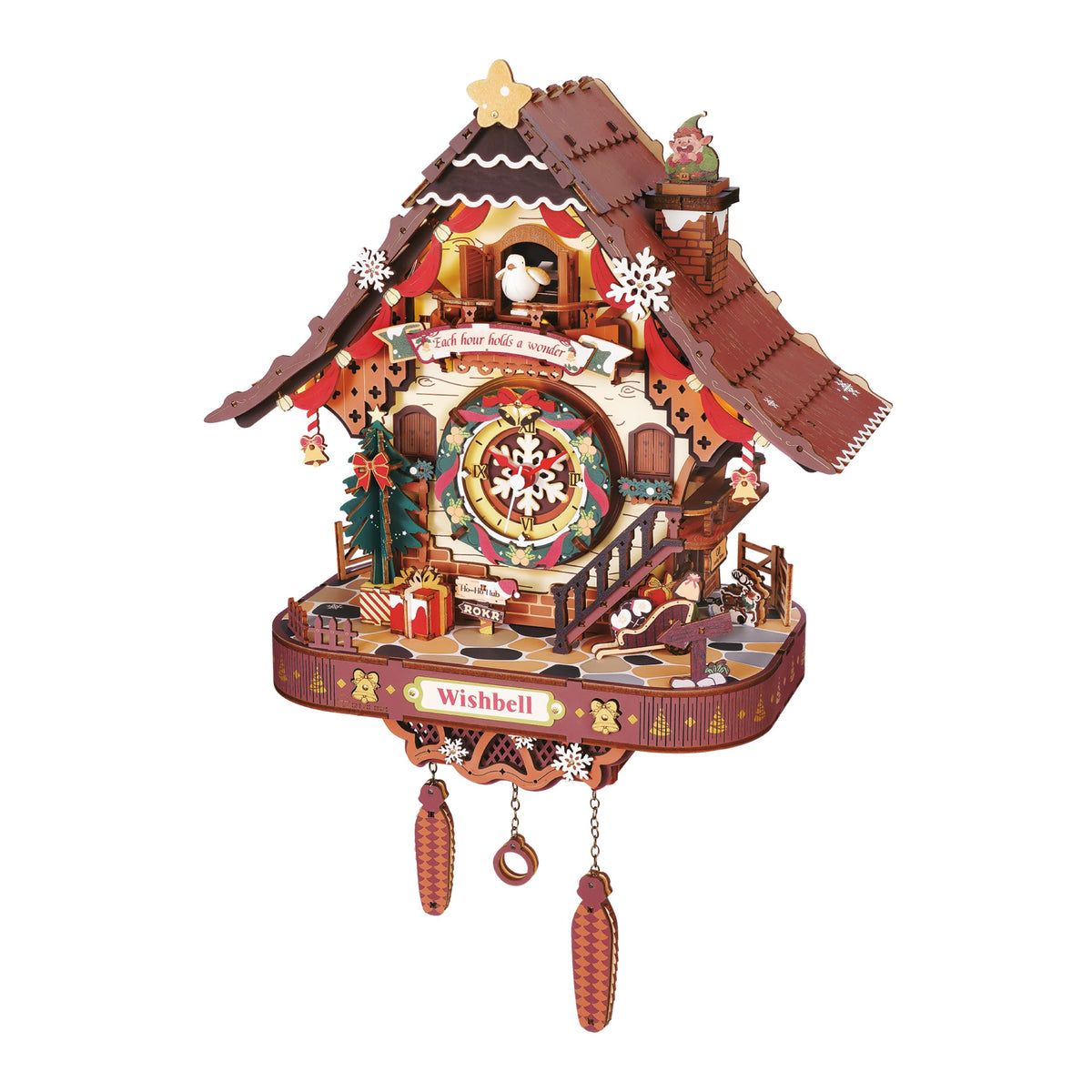


Although the kits for building a book nook might look similar when they are displayed between books on a shelf, the actual building process can be quite different.
Some use laser-cut wooden panels as the primary material, while others generally make use of moulded plastic, paper scenery, cardboard, acrylic or building bricks. Indeed, several of these materials are frequently employed in the exact same project. Knowing these differences can help you pick a book nook based on much more than its theme.
The materials that you use will impact the appearance, durability and handling of the individual parts. However, the assembly method, such as snap-fit, interlocking or gluing, depends on the design of the kit rather than the material alone.
What Are Book Nook Kits Made Of?
Not all book nooks are made of the same material. The majority of kits mix structural materials with smaller decorative elements. A single book nook might use wood for its walls and furniture, plastic for moulded details, paper for printed scenery, and acrylic or PET for transparent elements. The most popular materials are:

Rolife Treasure Toy Shop DIY Book Nook
- Engineered wood or wood for miniature furniture and panels.
- Plastic for moulded parts, windows, walls and decorative components.
- Various types of paper and cardboard for signs, books, wallpaper, plants and scenery.
- Transparent acrylic or PET sheets for windows and doors, glass-like details and protective panels.
- Small functional or decorative pieces made from metal, fabric, wiring and LEDs.
Rather than thinking of these as separate types of book nooks, it is more useful to look at the role each material plays within the complete model.
Wood and Engineered Wood: Structure and Furniture
Wood is a common material in a book nook. Kits are usually composed of thin, precision-cut pieces, including walls, floors, furnishings, stairs, and more.

Rolife Sakura Wine Alley DIY Book Nook
Wood and engineered wood are particularly useful for structural components because the pieces are relatively rigid and can be precision-cut into detailed shapes. Depending on the design, they may form the outer frame, interior walls, flooring, stairs, shelves, tables, chairs and other miniature furniture.
Wood does not determine how the kit must be assembled. Pre-cut wooden components may use slots, tabs, snap-fit or insertion-based joints, while some designs may require adhesive.
Plastic: Molded Details and Components
Plastic offers different possibilities within a book nook. Flat wooden sheets may not be able to reproduce the shapes and details that can be created using moulded components.

Rolife Sunset Isle DIY Book Nook
Plastic can be used for structural pieces, molded decorations, windows or small accessories. Plastic can be shaped into three-dimensional objects, which can be beneficial for intricate parts that would be harder to create from flat sheets of wood or paper. Importantly, plastic refers to the material, not the way it is made. Plastic parts can be snapped together, snapped into other plastic parts or may require adhesive, depending on the kit.
Paper and Cardboard: Printed and Layered Details
You can use paper and cardboard as decorative or structural elements in a book nook. They are great for printed items like wallpaper, signs, book covers, posters, plants, flooring and background scenery.

Rolife Quiet Corner Study DIY Book Nook
Multiple layers of paper may also add some depth without making the model too heavy. Paper and cardboard are lighter and more flexible than wood or rigid plastic, but they can also bend or crease more easily.
This makes them particularly useful for small visual details that do not need the rigidity of wood or plastic. Depending on the design, paper and cardboard components may be pre-cut, folded, layered or glued into place to create depth and texture.
Acrylic and PET: Windows and Transparent Effects
Transparent acrylic, PET or similar materials are especially useful for windows, doors, protective panels and other glass-like details because they allow the scene behind them to remain visible.

Rolife Whisper Magic Shop DIY Book Nook
Unlike paper or opaque wooden panels, these materials can add a transparent layer without hiding the miniature scenery behind it. They may be used for windows, doors, display panels or other clear visual effects.
These sheets are generally more rigid and moisture-resistant than paper, although thin pieces can still scratch or bend during handling.
Metal, Fabric, Wiring and LEDs
Depending on the kit, you may also encounter fabric for curtains or upholstery, metal for small details, and wires and LED components for lighting.
Rolife Fairytale Amusement Park DIY Book Nook
These materials usually support particular decorative or functional features rather than forming the main structure. Fabric can add softer textile details, while small metal pieces may be used where the design calls for finer accents.
Wiring and LEDs serve a different purpose by adding illumination to the completed scene. In a mixed-material book nook, these smaller components work alongside wood, plastic, paper and transparent sheets to make the miniature environment more detailed and functional.
How Different Materials Affect the Building Experience
Because most book nooks combine materials, the building experience usually involves working with several types of components rather than choosing between a purely wooden, plastic or paper model.
Swipe left to view the full comparison.
| Material | How It Is Commonly Used | What It Is Like to Work With | Key Things to Know |
|---|---|---|---|
| Wood/engineered wood | Walls, floors, furniture and structural pieces | Rigid pieces used for detailed construction | Rigid and suitable for precision-cut parts; may use glue, slots or snap-fit joints |
| Plastic | Moulded details, accessories and structural parts | Pre-shaped components can add three-dimensional detail | Can create detailed shapes; plastic does not automatically mean snap-fit |
| Acrylic/PET | Windows, doors and transparent panels | Thin transparent pieces are usually added as visual or protective details | Transparent and relatively rigid; often used alongside other materials |
| Paper/cardboard | Signs, books, wallpaper and layered scenery | Cutting, folding and layering | Lightweight and flexible but easier to bend or crease |
| Metal/fabric/electronics | Small decorative details, textiles and lighting | Usually added during the detailing or finishing stages | Their role varies considerably depending on the individual design |
Material can also affect handling and durability. Rigid wood and plastic pieces generally hold their shape better during assembly, while paper requires more care to avoid bends and creases. Acrylic and PET should be handled carefully to avoid scratches.
Glue requirements, however, are not determined by material alone. A wooden kit may use interlocking or snap-fit joints without glue, while paper, plastic or decorative components in another kit may require adhesive. Always check the instructions for the particular model.
Conclusion
Most book nook kits are made from a mix of materials, each used for a specific purpose. Wood can provide rigid structural parts; plastic can provide molded parts; paper and cardboard can provide lightweight layered parts; acrylic or PET can provide transparent parts. Metal, fabric, wiring and LEDs can then be used to add smaller decorative or functional elements.
Related Reading: Essential Tools for Building a Book Nook


Laraib Shahzad
Laraib is a freelance writer who specializes in creating clear, engaging, and research-driven content.
Robotime is a creative lifestyle company dedicated to designing and developing 3D puzzles, toys, and wooden handicrafts. Subscribe to learn more.
Enjoy Robotime building guides and creative inspiration?
Add Robotime as a Preferred Source on Google to see more of our latest stories in Search.
 Add Robotime to your Preferred Sources
Laraib Shahzad
Laraib is a freelance writer who specializes in creating clear, engaging, and research-driven content.
Robotime is a creative lifestyle company dedicated to designing and developing 3D puzzles, toys, and wooden handicrafts. Subscribe to learn more.


Leave a comment
This site is protected by hCaptcha and the hCaptcha Privacy Policy and Terms of Service apply.